
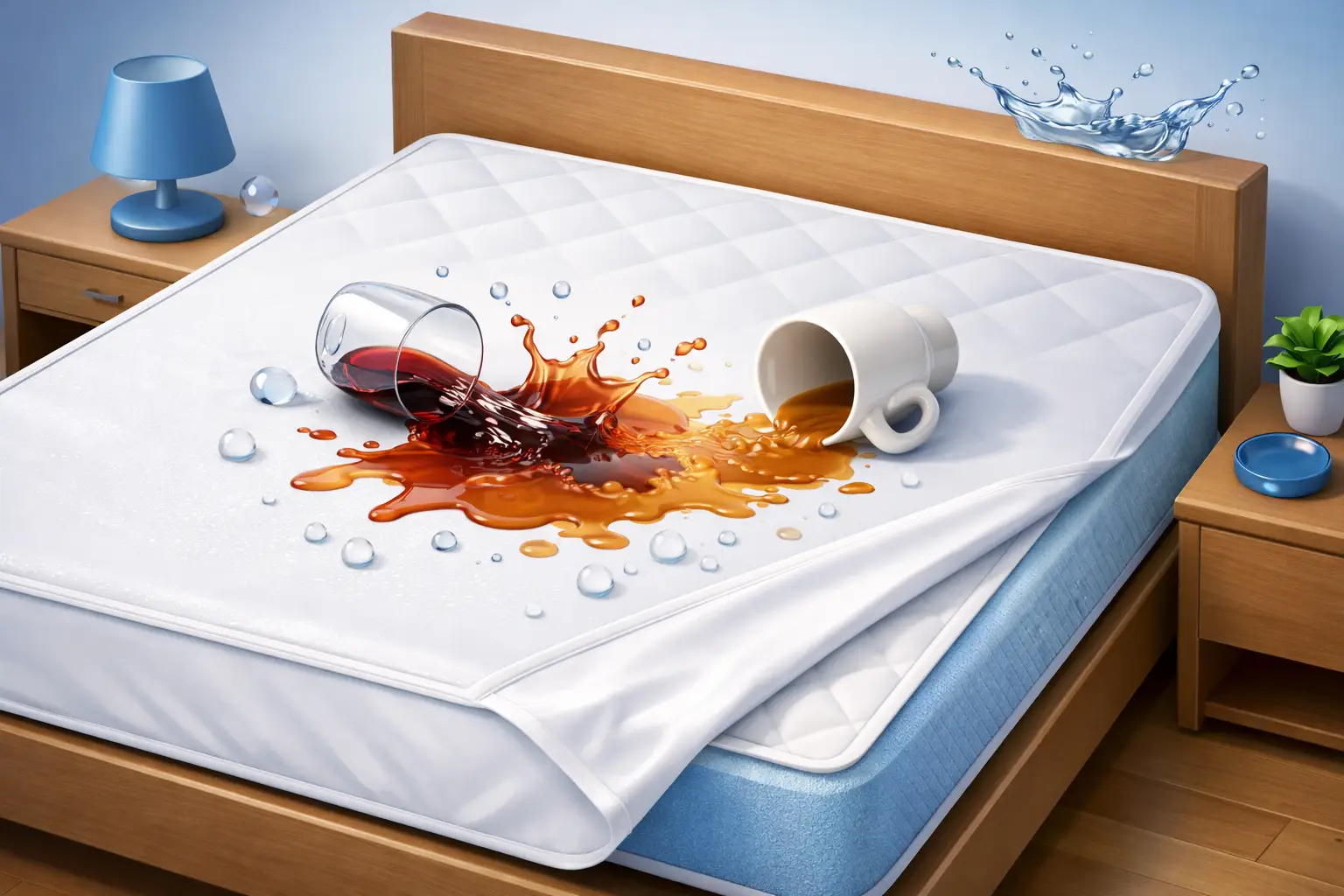
A spilled coffee at 7 a.m. or a child’s water bottle leaking overnight can do more damage to a mattress than most people expect. That is why shoppers looking for the best mattress protectors for spills waterproof are usually not looking for an extra accessory. They are trying to avoid stains, trapped moisture, odors, and the hassle of replacing a mattress earlier than planned.
A good protector should do one job first – keep liquid from reaching the mattress. But that is not the whole story. If the fabric sleeps hot, feels stiff, bunches under the sheet, or makes noise every time you turn, it quickly becomes something people stop using. The right choice balances waterproof protection with comfort, fit, and easy care.
Not every waterproof protector performs the same way. Some are designed for light, everyday protection from small spills and sweat. Others are built for heavier exposure, such as children’s beds, guest rooms, medical needs, or hospitality use. The difference usually comes down to the waterproof layer, the surface fabric, and how securely the protector fits the mattress.
In most cases, the best option is a fitted-style protector with a soft top fabric and a breathable waterproof membrane underneath. This construction helps block liquids while keeping the sleep surface more comfortable than older plastic-style covers. It also gives a cleaner fit, which matters if you want the protector to stay in place without shifting at the corners.
A fully encased protector can be the better choice in some homes, especially if complete coverage matters more than quick removal. However, encasements can feel less convenient for frequent washing. For many households, a fitted waterproof protector is the most practical balance.
The material on top of the protector affects how the bed feels. Cotton terry is a common choice because it is absorbent, familiar, and generally comfortable. It works well for family use, especially when you want a protector that feels less synthetic. Jersey-knit surfaces are softer and stretch more easily, which can help the protector sit smoothly over foam and pillow-top mattresses.
Bamboo-derived or cooling-focused fabrics are often chosen by warmer sleepers. These can feel lighter and less heat-retentive, but the results vary by product. A cooling fabric on top does not automatically mean the protector will sleep cool overall if the waterproof backing does not breathe well.
The waterproof layer is just as important. Polyurethane membranes are widely preferred over older vinyl-style barriers because they are quieter, more flexible, and typically more breathable. A protector can still be waterproof without feeling like plastic. That is usually the standard worth looking for.
Many people focus only on spill resistance, then realize later that the bed feels warmer than before. That does not mean waterproof protectors are a bad choice. It means construction matters.
If you sleep hot, use a memory foam mattress, or live in a warm climate, breathability should be high on your checklist. A breathable protector helps reduce that sealed-off feeling some lower-grade models create. This is especially relevant in homes where the mattress already retains heat or where the room temperature runs warm for much of the year.
There is always a trade-off here. The most aggressively waterproof products can sometimes feel less breathable. The softest and coolest protectors may be designed more for everyday moisture defense than repeated heavy spills. The best choice depends on how much protection you really need.
A protector that slides, wrinkles, or pops off the corners stops being helpful quickly. Mattress depth matters, especially with pillow-top, euro-top, and premium foam builds. Before buying, check the pocket depth range and whether the skirt has enough stretch to hold securely without over-pulling.
This is one of the most overlooked issues when shoppers compare mattress accessories. A high-quality waterproof layer does not help much if the protector cannot stay flat across the sleeping surface. Good fit supports comfort, appearance, and durability because the fabric is under less strain during regular use.
For adjustable bases, flexibility matters even more. Protectors with more stretch and a fitted-sheet style tend to perform better than rigid constructions on mattresses that move frequently.
Noise is a common complaint with lower-quality waterproof bedding. If the protector crinkles when you roll over, it changes the feel of the whole bed. This is one of the easiest ways a product can sound good on paper but disappoint in real use.
A softer fabric top and a flexible waterproof membrane usually help reduce noise. In-store, this is easy to test by handling the material. Online, product details should clearly indicate a soft-touch fabric and modern waterproof barrier rather than older plastic-backed construction.
For adult primary bedrooms, quiet performance is often just as important as waterproofing. For children’s beds or occasional-use rooms, shoppers may accept a little less refinement if protection is the main goal. Again, it depends on the room and who is using it.
Not every household needs the same level of defense. Family homes often benefit from stronger waterproof protection because accidents are not rare events. Kids’ rooms, bunk beds, and guest rooms all see unpredictable use. In these spaces, easy washing and dependable liquid blocking usually matter more than premium hand-feel.
For older adults, recovery settings, or medical-focused sleep environments, waterproof protection becomes less about convenience and more about preserving hygiene and extending mattress life. The same logic applies to hospitality use, where mattresses need reliable protection from repeated turnover and varied guest behavior.
In a master bedroom, the decision may lean more toward comfort-led protection – something waterproof enough for spills and sweat, but soft and breathable enough for nightly use. That is where guided product selection can make a real difference, because the right protector should match the mattress and the sleeper, not just the category label.
A good protector should answer a few basic questions clearly. Is it waterproof or only water-resistant? What is the surface fabric? Does it use a breathable membrane? What mattress depth does it fit? Can it be machine washed? Those are practical buying points, not small-print details.
It is also worth checking whether the protector is designed to preserve the feel of the mattress. This matters with comfort-focused builds such as memory foam, latex, and plush pillow-top models. A thick or stiff protector can flatten some of the surface comfort you paid for.
Brands and retailers with strong mattress knowledge usually present these details more clearly because they understand that a protector is part of the sleep system, not an afterthought. That consultant-led approach is often more useful than choosing based only on packaging claims.
Even the best waterproof protector needs proper care. Frequent high-heat drying can shorten the life of the waterproof backing. Fabric softeners can interfere with performance on some materials. Following care instructions helps the protector continue doing its job without weakening the barrier.
For busy households, having a second protector can be practical. It allows one to be washed and dried while the mattress stays protected. This is especially useful for children’s beds, hospitality settings, or any room where the bed needs to be ready again quickly.
Routine washing also helps control everyday buildup from sweat, skin oils, and dust. That means a protector is not only about spills. It also adds a removable, washable layer between the sleeper and the mattress itself, which supports cleanliness over time.
If your mattress is a value-focused guest bed, you may want straightforward waterproof performance and easy care. If it is a premium comfort mattress, the protector should guard against spills without changing the feel that made you choose that mattress in the first place. That distinction matters.
At Towell Mattress ME, this is how mattress accessories should be selected – with the same practical attention given to mattress type, sleeper needs, and expected use. A protector for a child’s bed, a luxury mattress, and a hospitality setup should not all be treated as the same purchase.
The best waterproof mattress protector for spills is the one you will actually keep on the bed. Look for dependable liquid protection, a quiet and breathable surface, a secure fit, and care instructions that suit your routine. When those pieces come together, your mattress stays protected without sacrificing the comfort you sleep on every night.
A mattress protector should give you one less thing to worry about, especially when life at home is not always neat or predictable.
