
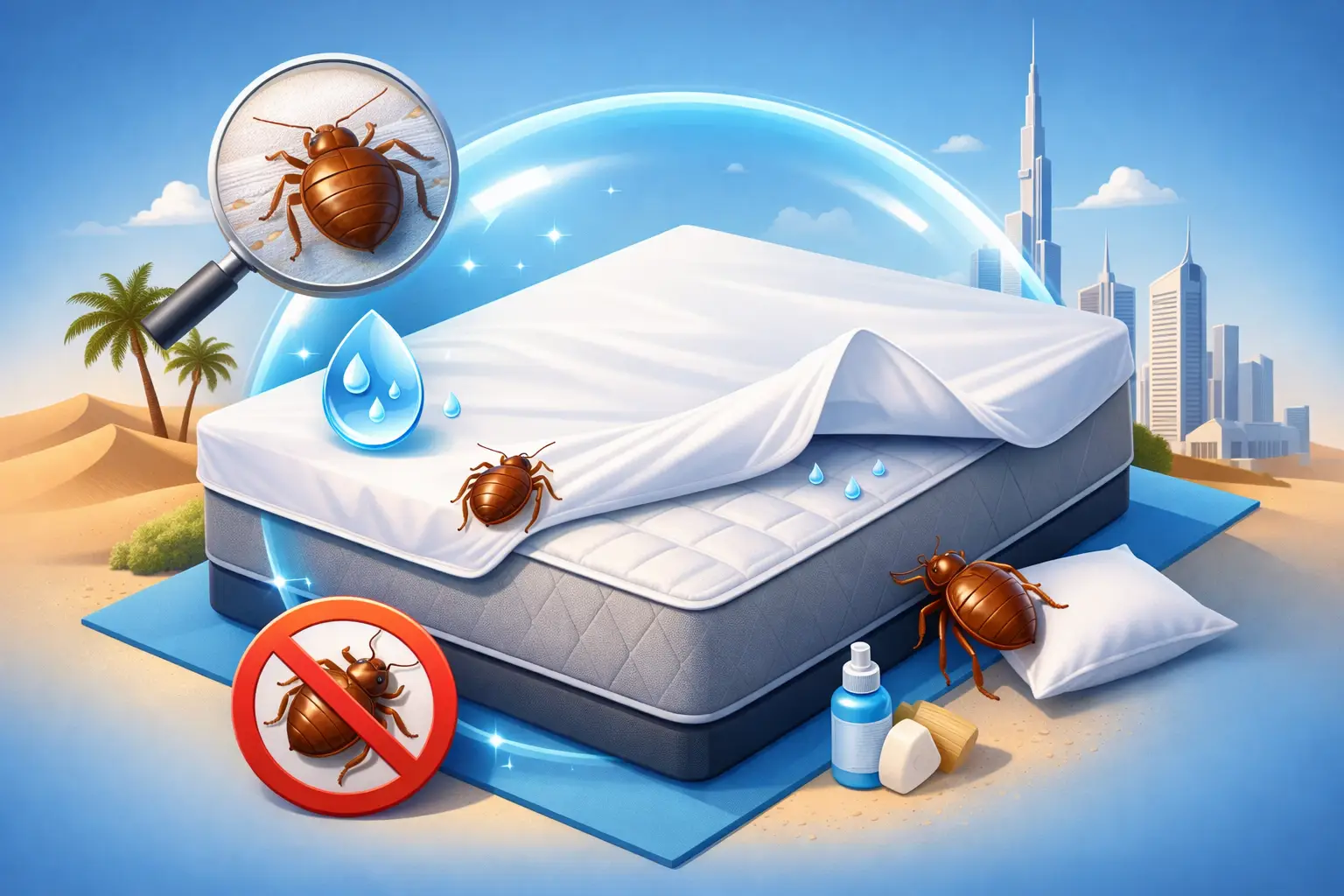
A bed bug problem usually starts quietly. A few bites, a few dark spots on bedding, and suddenly your mattress becomes the first place you inspect at night. That is why many shoppers looking for mattress protectors for bed bugs UAE options are not just buying an accessory – they are trying to reduce risk, protect a major purchase, and sleep with more confidence.
The right protector can help, but only if you know what it actually does. Not every mattress cover is made for bed bug protection, and not every waterproof protector is a full encasement. If you are choosing for a family home, guest room, rental property, or hospitality setup, those details matter.
For bed bug protection, the most effective format is a full mattress encasement. This is different from a fitted protector that sits only on the top surface and sides. A fitted protector is useful for guarding against spills, sweat, and everyday wear, but it leaves parts of the mattress exposed. A full encasement surrounds the entire mattress and closes with a secure zipper, which is what makes it relevant for bed bug control.
The goal is straightforward. First, an encasement helps prevent bed bugs from entering the mattress and settling inside. Second, if bugs are already in the mattress, a properly designed encasement helps trap them so they cannot feed or spread in the same way. That does not mean the protector solves a room-wide infestation on its own. It means it removes one of the most common hiding places and makes inspection easier.
In practical terms, shoppers should focus on zipper quality, seam construction, fabric durability, and whether the protector is clearly designed for bed bug protection rather than general mattress care. A loose zipper closure or thin material can weaken performance over time, especially in frequently used bedrooms or commercial environments.
This is where many purchases go wrong. People often assume any mattress protector will help against bed bugs. Some do not. Standard protectors are often built for comfort and hygiene, which are worthwhile benefits, but they are not automatically pest barriers.
A basic waterproof protector is valuable if your priority is keeping the mattress cleaner for longer. It helps guard against stains, moisture, and everyday use. For families with children, pet owners, or anyone wanting to extend mattress life, that kind of protection matters. But if bed bugs are the concern, you should be checking whether the product is an encasement specifically intended to address that risk.
There is also a comfort trade-off to consider. Some heavy-duty encasements can feel less soft or flexible than lighter protectors. Better designs balance protection with breathable fabric and a quieter sleep surface, but the level of comfort can still vary. For many buyers, the best choice depends on whether the main priority is bed bug defense, waterproofing, cooling, or preserving the feel of the mattress.
A new mattress is clean on day one, but it is still vulnerable once it enters a lived-in environment. Homes with frequent visitors, shared accommodations, staff housing, rental units, and hospitality rooms all have more exposure points than people sometimes realize. A protector acts as a preventive layer, which is often easier than trying to manage a problem after it reaches the mattress itself.
This matters even more when the mattress is a long-term purchase. Whether you sleep on memory foam, pocket spring, latex, or a health-focused mattress, the core product should be protected from avoidable damage and contamination. If the mattress remains in better condition, ongoing care becomes simpler and the sleep surface stays more hygienic.
For hospitality buyers, protectors also support room turnover and inspection routines. A covered mattress is easier to monitor, easier to keep clean, and easier to preserve across repeated guest use. That kind of consistency matters when durability and presentation are part of daily operations.
Start with size accuracy. An encasement that is too loose can bunch, shift, or strain at the zipper. One that is too tight can be difficult to install and may stress the seams. Mattress depth matters just as much as mattress width and length, especially with thicker premium constructions or pillow top designs.
Next, think about the sleeper. If this is a main bedroom mattress, comfort and breathability should be part of the decision. If this is for a guest room, staff accommodation, or preventive property management, barrier performance and durability may take priority. There is no single best answer for every room.
Fabric feel is worth checking as well. Some protectors are designed to stay discreet under the fitted sheet, while others can slightly alter the hand feel of the mattress. A good protector should not make the bed feel plasticky, noisy, or uncomfortably warm. If the mattress already has a carefully chosen comfort profile, especially in premium foam or latex models, the protector should support that experience rather than work against it.
A quality protector should fit securely, stay in place, and allow regular bedding to sit naturally over it. You should not be constantly adjusting it. The zipper should close smoothly and feel secure. The surface should remain comfortable for nightly use, not like a temporary cover that you are eager to remove.
From a maintenance standpoint, it should also simplify care. A removable, washable layer helps keep the mattress itself cleaner over time. That has value beyond bed bugs. It helps with routine hygiene, accidental spills, body oils, and the wear that gradually affects any mattress in active use.
For households managing allergy concerns, a well-made protector can also contribute to a cleaner sleep environment. That is not the same as bed bug protection, but it is another reason many buyers choose a higher-quality mattress covering rather than leaving the mattress exposed.
A mattress protector is a strong preventive and protective step, but it is not a complete pest treatment plan if there is an active infestation in the room. Bed bugs can hide in bed frames, headboards, nearby furniture, baseboards, luggage, and upholstery. If there is clear evidence of infestation, the mattress should be protected, but the wider room still needs proper inspection and treatment.
This is where expectations need to stay realistic. A protector helps reduce hiding places, supports mattress preservation, and can be part of a broader control approach. It does not replace room-level action. Buyers who understand that usually make better product decisions because they are matching the protector to the job it can actually do.
When shoppers ask about mattress protectors for bed bugs UAE homes and properties can rely on, the best answer is usually the same: choose a protector that matches the level of risk, the type of mattress, and the way the room is used. If the concern is specifically bed bugs, look for full encasement protection with dependable construction. If the goal is everyday mattress care, a quality waterproof protector may be enough. In some settings, using the right bed bug encasement from the start is the safer decision.
At Towell Mattress ME, that kind of choice should feel straightforward. The right protector is not just about adding a layer to the bed. It is about protecting comfort, preserving the mattress underneath, and making the sleep setup easier to manage over time.
A mattress is one of the hardest-working products in the home, so protecting it early is usually the smart move – especially when peace of mind is part of what you are buying.
