
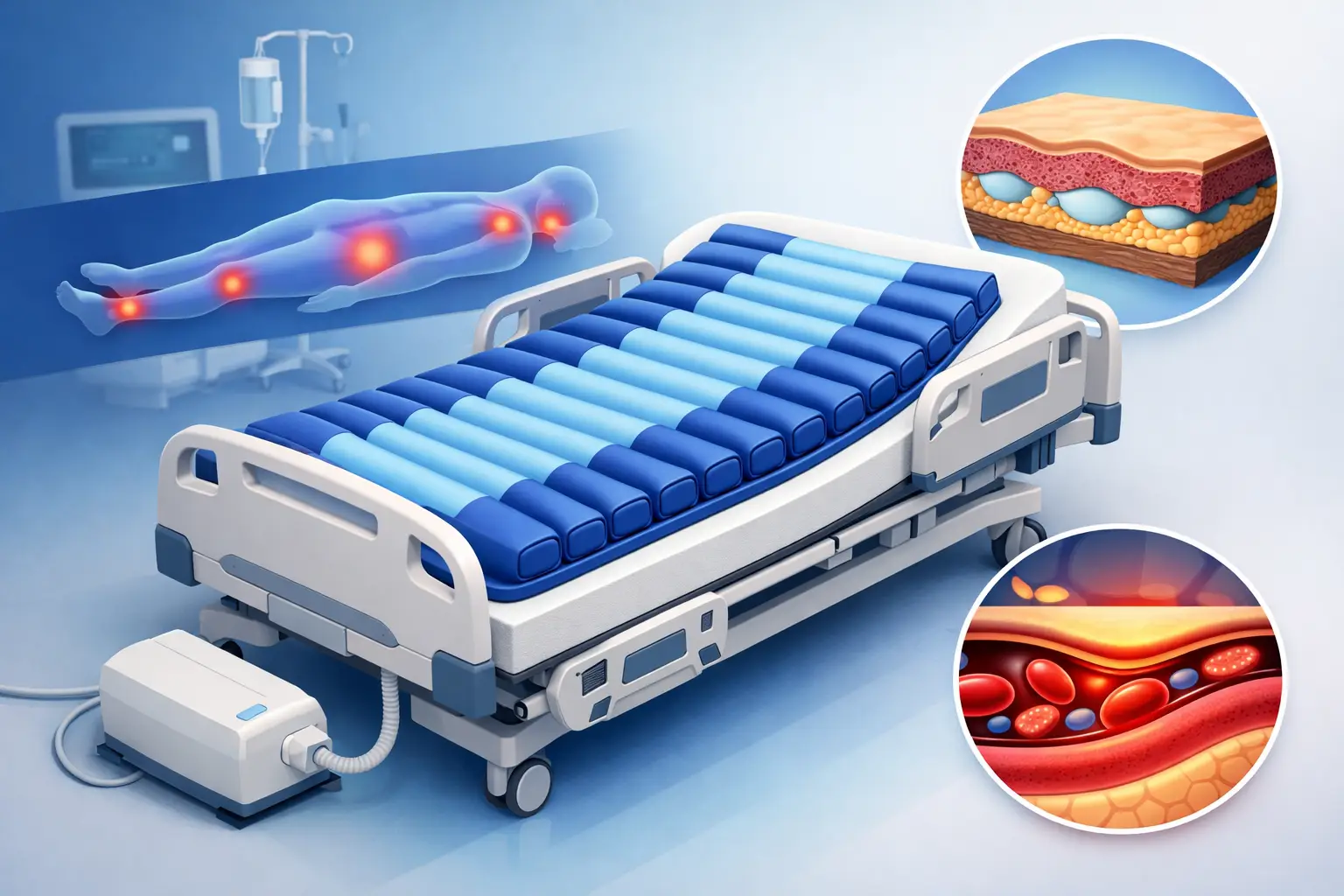
A medical mattress for bed sores prevention is not simply a firmer or softer mattress marketed for comfort. For a person who spends long periods in bed, the right surface can help distribute body weight, reduce prolonged pressure on vulnerable areas, and make daily care more manageable. It is one part of a prevention plan, not a replacement for repositioning, skin checks, nutrition, or advice from a qualified clinician.
Pressure injuries, often called bed sores, can develop when pressure limits blood flow to the skin and tissue. The tailbone, hips, heels, ankles, elbows, and shoulder blades are common risk areas. A supportive medical mattress helps address the surface beneath the person, but the best choice depends on mobility, weight, skin condition, heat sensitivity, and the level of care available at home or in a facility.
A standard mattress is designed mainly for sleep comfort. A medical or pressure-relief mattress is designed with a more specific purpose: to reduce concentrated pressure at bony points while maintaining enough support for safe movement and positioning.
When someone stays in one position for too long, body weight is carried by a relatively small contact area. That is where discomfort and skin risk can increase. Pressure-relieving materials allow the body to settle more evenly into the sleep surface, spreading load across a wider area rather than forcing the hips, shoulders, or heels to take most of it.
The goal is balanced support, not deep sinking. A surface that is too hard can create sharp pressure points. One that is overly soft may make it difficult for the user or caregiver to turn, transfer, or get out of bed. This is why a medical mattress should be selected for the individual rather than chosen by a single label alone.
A medical mattress may be appropriate for people with limited mobility, those recovering from surgery or illness, older adults who spend much of the day in bed, and individuals who already have fragile or reddened skin. It can also be considered for home-care settings where a family member is unable to reposition independently.
Risk is not determined by age alone. A younger person with an injury, neurological condition, or extended recovery period may need the same level of pressure management. On the other hand, a person who is mobile, changes position easily, and has no skin concerns may be well served by a supportive conventional mattress.
If there is an existing open wound, persistent redness, skin discoloration, unusual warmth, swelling, or pain in a pressure area, seek medical guidance promptly. Mattress selection can support a care plan, but it should not delay assessment or treatment.
The construction inside the mattress matters because it affects pressure distribution, temperature, stability, and long-term comfort. There is no one material that suits every user.
High-density foam medical mattresses are commonly selected for stable, everyday support. Quality foam can contour moderately to the body while helping maintain a level, supported sleep surface. This can be a practical option for people at lower to moderate risk who need better pressure distribution than a basic mattress provides.
Foam density and layering matter more than a vague claim of softness. Look for a design that provides a supportive base with comfort layers that reduce pressure without allowing excessive sinking. A mattress consultant can help assess whether the surface feels secure enough for transfers and assisted movement.
Visco memory foam responds to warmth and pressure, allowing it to contour more closely around the body. This can reduce stress on the shoulders, hips, and other pressure-prone areas. It is often helpful for users who experience discomfort when lying in one position.
The trade-off is that traditional memory foam can retain heat and may feel less responsive when changing position. Gel-infused memory foam can help improve temperature regulation, although performance varies by mattress design, room temperature, bedding, and the individual’s needs. For users who perspire heavily or are sensitive to heat, breathability deserves close attention.
For people at higher risk or those with significant mobility limitations, an alternating-pressure air mattress may be recommended by a healthcare professional. These systems use air cells that inflate and deflate in cycles to change pressure points over time.
They can be highly useful in certain care situations, but they require correct setup, reliable power, regular inspection, and proper use. They may also feel less stable than foam for some users, especially during transfers. A clinician or experienced care provider should guide this choice when pressure injury risk is high.
Some medical mattresses combine foam with other support elements to balance comfort, airflow, and stability. A hybrid construction can be a sensible option when a user needs pressure relief but also prefers a surface that feels easier to move on than deep memory foam.
What matters most is not the marketing term. Ask how the layers are designed to manage pressure, how the mattress supports the edges, whether it remains stable under regular use, and whether it suits the user’s mobility level.
A good pressure-relief mattress should work with the rest of the bed setup. Mattress height is especially important. If the bed is too high or too low, getting in and out may become unsafe. If caregivers assist with transfers, the mattress should provide enough edge support and surface stability to help them work safely.
A breathable cover can help manage heat and moisture, both of which can affect skin comfort. For practical home care, a removable or wipe-clean cover is valuable. It should be paired with an appropriate mattress protector that protects against spills or incontinence without creating a noisy, slippery, or overly heat-trapping surface.
The cover should fit smoothly. Wrinkled sheets, thick seams, loose pads, and bunched blankets can create friction and localized pressure. Keep bedding clean, dry, and as flat as possible beneath the person.
Even the best medical mattress cannot prevent bed sores by itself. Prevention depends on consistent care habits. A caregiver should follow the repositioning schedule recommended by the care team, especially for someone who cannot shift weight independently. The schedule varies by condition and support surface, so avoid relying on a fixed rule from the internet.
Daily skin observation is equally important. Check high-risk areas for changes in color, tenderness, warmth, hardness, or broken skin. Keep skin clean and dry, manage moisture promptly, and use gentle handling techniques to reduce rubbing and shearing when moving the person in bed.
Nutrition and hydration also affect skin health and healing capacity. A physician, nurse, or dietitian can provide guidance when appetite is poor, weight is changing, or there are medical conditions that affect nutritional needs.
Before selecting a medical mattress, clarify who will use it and how the bed is used throughout the day. Is the person able to turn independently? Do they sit on the edge of the bed? Do caregivers need to assist with transfers? Is there a history of pressure injuries? Does the user sleep hot or have sensitivity to motion?
Also consider the bed frame and mattress dimensions. A medical mattress must fit the frame correctly and should not create gaps near side rails or bed edges. If rails, adjustable bases, or transfer equipment are involved, confirm compatibility before making a decision.
For a household caregiver, the right purchase is usually the one that balances pressure relief with safe, manageable daily use. A complex system is not automatically better if it is difficult to operate or unsuitable for the user’s mobility.
Selecting a medical mattress can feel high-stakes because comfort and safety are personal. Start with the user’s mobility, skin condition, and care routine, then match the mattress construction to those needs. For elevated risk or existing skin concerns, involve a healthcare professional in the decision.
Towell Mattress ME can help customers compare supportive foam, visco foam, gel-infused foam, and health-focused mattress options with practical guidance on comfort, stability, and everyday care. The right sleep surface should give the user better support and give caregivers more confidence in the routine around it.
