
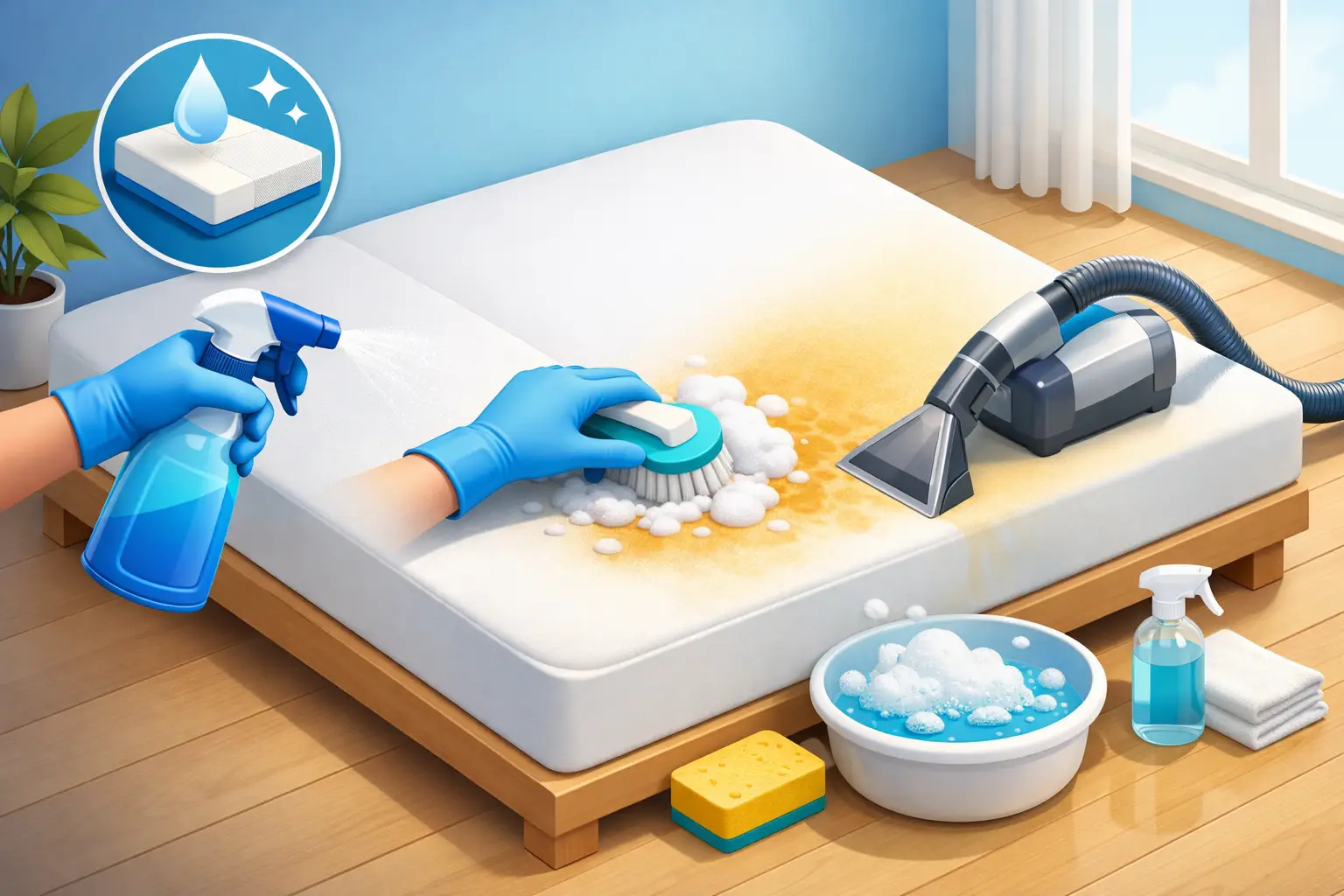
A spill on memory foam feels worse than it looks. The wrong cleaner, too much water, or aggressive scrubbing can push moisture deeper into the foam and leave you with a bigger problem than the original stain. If you need to clean memory foam mattress stains safely, the goal is simple – lift the stain without soaking the mattress, damaging the foam, or trapping odor inside.
Memory foam is different from a traditional spring mattress. It is absorbent, pressure-responsive, and slower to dry. That means methods that work on other surfaces do not always work here. A careful approach protects the feel of the mattress and helps it stay comfortable for longer.
Memory foam is designed to contour under body weight and return to shape gradually. That structure can be affected by oversaturation, harsh chemicals, and heavy rubbing. If too much liquid gets into the core, drying can take much longer than expected, especially in humid conditions.
That matters for stain removal because the safest method is usually controlled surface cleaning. You are not trying to wash the entire mattress. You are targeting one area, using as little moisture as possible, and allowing full drying before the bed is made again.
Start by removing all bedding and checking the care label if one is attached. Some mattresses have removable covers, but not all covers are machine washable. If the cover is not meant to be removed, leave it in place and treat the stained area carefully from the surface.
Next, identify the type of stain. A fresh water spill, sweat mark, urine accident, blood spot, or beverage stain may all need slightly different handling. The safest rule is to begin with the mildest solution first. You can always repeat a gentle treatment. It is much harder to reverse damage from overcleaning.
Before applying anything to a visible section, test your cleaning solution on a small hidden area. This helps you check for discoloration or fabric reaction.
For most common stains, begin by blotting with a clean, dry cloth or paper towel. Press lightly to absorb as much surface moisture as possible. Do not rub. Rubbing spreads the stain and can push liquid deeper into the foam.
Once the area is blotted, use a light cleaning solution. In many cases, a small amount of mild dish soap mixed with water is enough. Dampen a clean cloth with the solution rather than pouring anything directly onto the mattress. The cloth should feel lightly moist, not wet.
Blot the stained area gently, working from the outside toward the center. That helps prevent the stain from expanding. If the mark starts lifting, continue with patience. Memory foam responds better to repeated light treatment than to one aggressive cleaning attempt.
After that, use another cloth dampened with plain water to blot away any soap residue. Again, keep moisture minimal. Then press a dry towel onto the area to absorb as much remaining dampness as possible.
The final step is drying. Let the mattress air dry completely before replacing sheets or using a mattress protector. Good airflow is essential. A fan can help speed up drying without adding heat directly to the foam.
These are usually surface stains that build over time. A mild soap solution often works well here. If there is lingering odor, a light sprinkling of baking soda after surface cleaning can help. Let it sit for several hours once the area is only slightly damp, then vacuum it away.
Urine needs quick action because both moisture and odor can sink into the foam. First blot thoroughly. Then use a small amount of mild soap solution or a fabric-safe upholstery cleaner approved for delicate materials. Some people reach for strong disinfectants immediately, but that can be too harsh for memory foam. The better approach is controlled cleaning, careful blotting, and complete drying.
If odor remains after the area dries, baking soda can help draw it out. Leave it in place for several hours, then vacuum thoroughly.
Cold water is the safer choice here. Warm or hot water can set protein-based stains. Blot gently with a cloth dampened with cold water first. If needed, add a very small amount of mild soap. Patience matters. Blood stains often lift gradually rather than all at once.
These stains often contain both pigment and sugar. Blot first, then use a mild soap solution on a cloth. If the stain has already dried, you may need more than one round of gentle treatment. Avoid saturating the area just because the mark is stubborn.
Harsh stain removers can seem like the fastest fix, but they can break down foam, affect the fabric cover, or leave strong residue behind. Bleach is not a safe choice for memory foam. Strong ammonia-based products are also best avoided.
Steam cleaning is another method that sounds effective but can introduce too much moisture and heat. The same goes for soaking the mattress or using a carpet shampoo machine. These approaches may clean deeply, but on memory foam they create a drying problem and can affect the material over time.
Direct heat is also risky. A hair dryer on high heat or prolonged strong sunlight may seem helpful, but excessive heat can alter foam structure. Steady airflow is safer than intense heat.
Many stain problems return because the mattress was not fully dry before bedding went back on. Even a slightly damp patch can trap odor and create an unhealthy environment inside the mattress.
After cleaning, leave the mattress uncovered in a well-ventilated room. If possible, stand it partially upright to improve airflow around the treated area. Use a fan nearby, not directly pressed against the fabric. Give it time. A smaller stain may dry in a few hours, while a deeper spot can take longer depending on room conditions.
If you live in a more humid environment, drying may require extra patience. That is normal. The right answer is not more cleaner. It is better airflow and enough time.
Sometimes the issue is not just the visible mark. If a stain has penetrated deeply, carries a strong persistent odor, or covers a wide section of the mattress, home spot cleaning may only solve part of the problem. In those cases, professional advice may be the better route, especially if the mattress is still relatively new and you want to preserve its performance.
It also depends on the mattress construction. Some memory foam models include multiple comfort layers, gel infusions, or specialized covers. A gentler approach is always wise when the product is designed for pressure relief and long-term support.
The simplest protection is a quality mattress protector. This is especially useful in family homes, guest rooms, and hospitality settings where spills and accidents are more likely. A good protector helps reduce direct contact between moisture and the mattress surface without changing comfort too much.
Regular maintenance also helps. Wash bedding consistently, vacuum the mattress surface from time to time, and address spills immediately rather than waiting until they dry and set. Small habits are easier than deep cleaning.
For buyers choosing a new mattress, it is worth thinking beyond comfort alone. Protective accessories and guided product selection can make upkeep much easier over the life of the mattress. That practical side of ownership matters just as much as how a mattress feels in the showroom.
If there is one mistake people make most often, it is treating a memory foam mattress like any other household fabric. It is not. To clean memory foam mattress stains safely, use less liquid, milder solutions, gentle blotting, and full drying time. That approach may feel slower, but it is usually the one that protects both cleanliness and comfort.
A stain does not always mean a mattress is ruined. Most of the time, calm handling and the right method are enough to keep it in good condition. When you treat the material with care, you give the mattress a better chance to keep doing what it was made to do – support better sleep night after night.
