
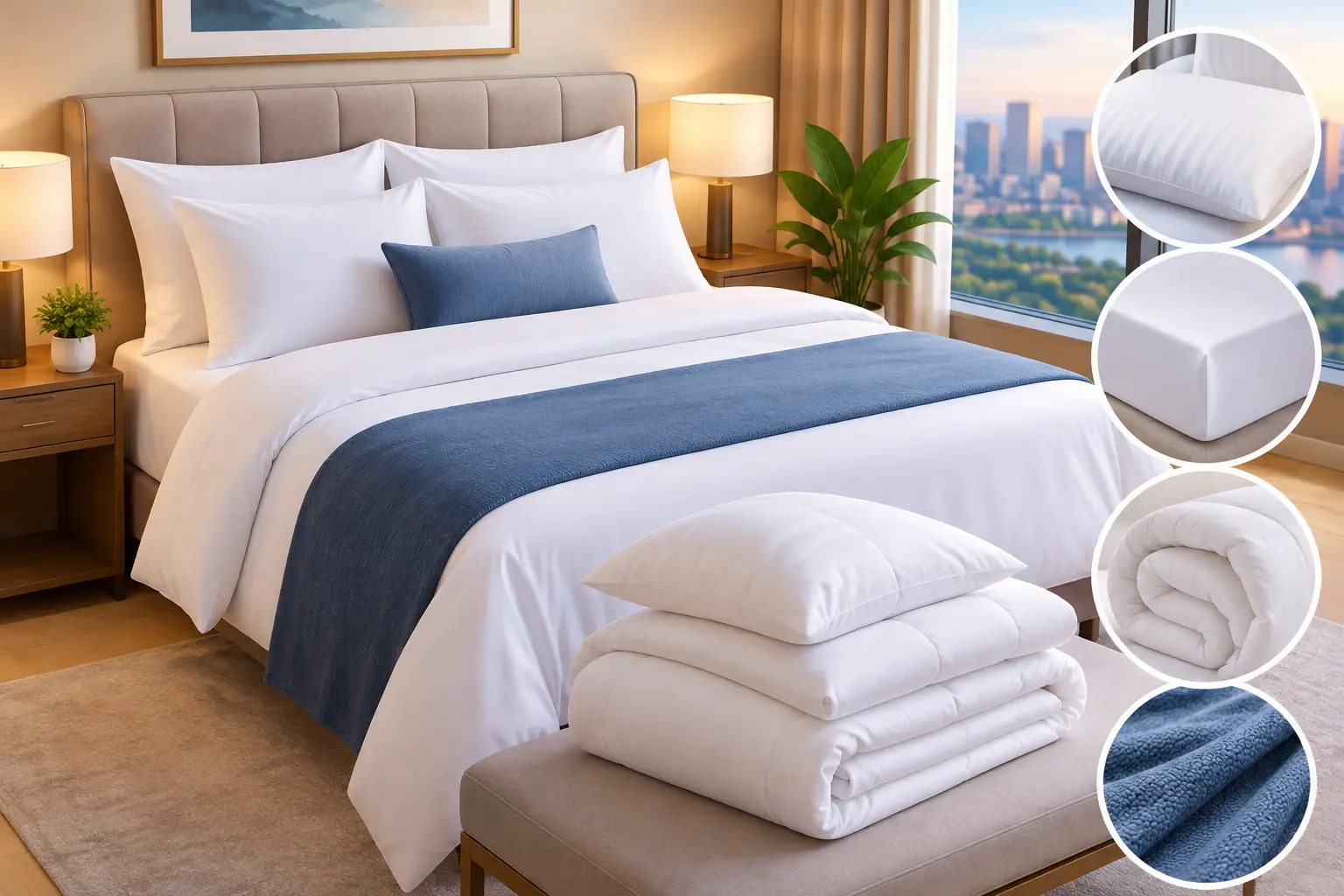
A guest may not remember every piece of furniture in a room, but they will remember whether they slept well. The best hotel bedding essentials work as a complete sleep system: a supportive mattress, the right pillows, a hygienic protector, breathable sheets, and comfort layers that hold up to frequent use. Getting one item right is helpful. Getting the full bed right is what creates the dependable, well-rested experience guests expect.
For hotels, serviced residences, and home buyers who want hotel-level comfort, the priority is not simply softness. Bedding must suit a range of sleep preferences, remain presentable after regular laundering, and deliver comfort night after night. That calls for careful choices based on construction, materials, maintenance needs, and the type of guest or sleeper you serve.
The mattress is the foundation of every bed setup. Sheets and duvets can improve the feel at the surface, but they cannot correct a mattress that sags, transfers movement excessively, or lacks adequate pressure relief. A quality hotel mattress should provide stable edge support, consistent comfort across the surface, and a construction suited to its intended level of use.
Pocket spring mattresses are a strong option when motion isolation and individualized support matter. Each spring responds more independently, which can help reduce the feeling of a partner moving during the night. This makes pocket spring construction especially practical for double, queen, and king beds in guest rooms.
Bonnell spring mattresses offer a firmer, more traditional feel and can be a dependable choice for properties focused on straightforward support and durability. Foam mattresses provide a quieter sleep surface and may suit rooms where a stable, low-motion feel is preferred. Memory foam and gel-infused memory foam add contouring pressure relief, although the feel can vary considerably by foam density and layering.
Latex is often selected for its responsive comfort, breathability, and long-term resilience. It can suit guests who dislike the slower sink-in sensation of some memory foam designs. There is no single construction that works for every room. The right choice depends on desired comfort level, bed size, expected occupancy, and maintenance plan.
Medium to medium-firm mattresses are common in hospitality because they appeal to the broadest range of sleepers. They offer enough cushioning for side sleepers while maintaining support for back and stomach sleepers. Still, a luxury suite, a long-stay apartment, and a family guest room may require different comfort profiles.
Pay attention to edge support as well. Stronger mattress edges make the bed easier to sit on and help the sleeping surface feel more usable from side to side. This is a practical detail that guests may not name, but they notice it every time they get in or out of bed.
A mattress supports the body. A pillow must support the head and neck in alignment with the spine. Because sleeping positions differ, hotels and well-equipped bedrooms should avoid treating pillows as an afterthought.
A medium-support pillow is a reliable starting point for many sleepers, but offering a firmer option can improve the experience for back and side sleepers who need more lift. Softer pillows may be better for stomach sleepers or for use as an additional comfort pillow. The most practical approach is to place two suitable pillows on each bed, with a balance of comfort and support rather than two overly soft pillows that flatten quickly.
Pillow fill, loft, and cover material all affect performance. A pillow that feels pleasant on the first night but loses shape after repeated use creates unnecessary replacement cycles. Look for pillows designed to retain loft, with covers that can handle regular cleaning or work well with protective pillow covers.
A mattress protector is one of the most valuable components in a hotel bedding system. It helps protect the mattress from spills, perspiration, allergens, and everyday wear while supporting a cleaner sleep environment. Replacing a protector is far easier than replacing a mattress affected by stains or moisture.
The best protectors balance protection with comfort. A waterproof layer should not make the bed feel stiff, noisy, or overly warm. A breathable protector with a secure fitted design stays in place and preserves the intended feel of the mattress beneath it.
For busy properties, choose protectors that are easy to remove, wash, and refit. Confirm that the pocket depth matches the mattress height, particularly when using pillow-top or thicker luxury mattresses. A protector that slips or bunches can make an otherwise excellent bed feel poorly prepared.
Crisp, smooth sheets are part of the hotel experience, but thread count alone does not determine quality. The weave, fiber quality, finish, and ability to withstand laundering are equally important. The goal is a clean, comfortable surface that remains inviting after repeated washing.
Cotton and cotton-rich sheet sets are popular because they are breathable and familiar to most sleepers. Percale-style weaves generally feel cooler and crisper, while sateen-style weaves feel smoother and slightly warmer. Neither is automatically better. Properties in warmer conditions may prefer a more breathable, crisp feel, while a softer finish may better suit cooler rooms or luxury-focused settings.
Fit matters as much as fabric. Fitted sheets should sit securely over the mattress without pulling loose at the corners. Flat sheets should be generously sized for easy tucking and a neat turnover process. White or light neutral bedding remains practical for hospitality because cleanliness is easy to assess and rooms look consistently fresh.
A duvet or comforter provides the inviting, finished appearance guests associate with a well-made hotel bed. However, weight should be considered carefully. A heavy fill may feel luxurious to some guests but uncomfortably warm to others.
A medium-weight duvet paired with a removable, washable cover is often the most flexible arrangement. It can be layered with a lightweight blanket in cooler conditions or simplified in warmer rooms. The cover also makes it easier to refresh the appearance of the bed between stays.
Add a bed runner or decorative cushion only when it supports the room’s presentation and can be managed hygienically. Decorative layers should never interfere with the sleep experience or add unnecessary handling for housekeeping teams.
When selecting hotel bedding, evaluate the full system rather than choosing items in isolation. Before placing an order, confirm these four essentials:
It is also wise to standardize key specifications across similar room categories. Consistency helps housekeeping teams prepare rooms efficiently and makes replenishment simpler. At the same time, premium rooms can justify added comfort features such as enhanced pressure relief, thicker comfort layers, or upgraded pillow selections.
Even high-quality bedding needs a clear care routine. Rotate mattresses according to the manufacturer’s guidance, inspect protectors regularly, and replace pillows once they no longer provide reliable support. Allowing worn items to remain in service can affect guest comfort long before a visible problem appears.
For hospitality buyers, warranty coverage and access to knowledgeable product guidance reduce uncertainty. A bedding consultant can help compare pocket spring, foam, memory foam, gel, latex, and other constructions against the needs of a particular property. Towell Mattress ME supports this kind of selection with mattresses, pillows, and protectors across a range of comfort categories.
The right bed should feel effortless to the person using it and manageable to the team maintaining it. Start with support, protect the mattress, and add comfort layers with a clear purpose. That is how a bed earns the kind of positive sleep experience guests carry with them after checkout.
