
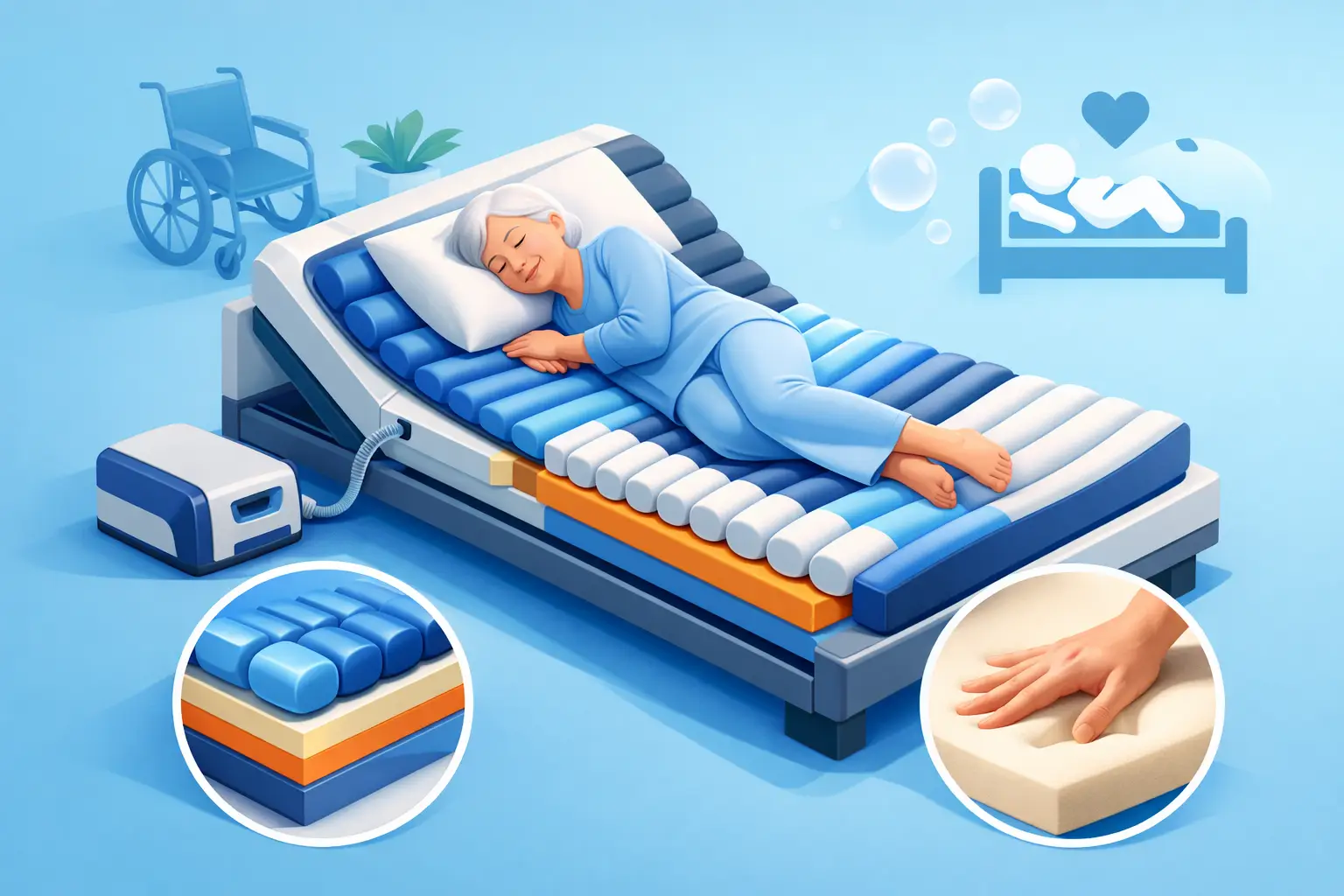
When an older parent or family member starts waking up sore, shifting through the night, or spending longer hours in bed, the mattress stops being a background purchase. It becomes part of daily care. A pressure relief mattress for elderly care can help reduce strain on the shoulders, hips, and lower back while supporting safer, more restorative rest.
This is not just about softness. In elderly care, the right mattress needs to balance pressure relief, support, ease of movement, temperature comfort, and long-term durability. If one part is off, the sleeper may feel stuck, unsupported, or uncomfortable after only a few hours.
A good mattress for elderly use should spread body weight more evenly across the sleep surface. That matters because pressure tends to build around bony areas such as the hips, tailbone, shoulders, and heels. For older adults with reduced mobility, sensitive joints, or fragile skin, too much concentrated pressure can quickly turn into pain and poor sleep.
Pressure relief, however, should not come at the cost of support. If the mattress is too soft, the body can sink too deeply and throw the spine out of alignment. That often makes it harder to turn, sit up, or get out of bed. For many older sleepers, the best result comes from a mattress that cushions the body on top but remains supportive underneath.
This is where construction matters. Memory foam, gel memory foam, latex, and some medical-focused mattress builds are often considered because they conform better than traditional firm spring surfaces. Hybrid designs can also work well when they combine contouring comfort layers with a more stable support core.
As people get older, natural padding in the body changes. Muscle mass may decrease, joints may stiffen, and chronic conditions such as arthritis or circulation issues may become more noticeable at night. A mattress that once felt acceptable can start to feel unforgiving.
Longer bed rest also changes the requirement. Someone who spends more time reclining, recovering, or sleeping during the day puts more demand on the mattress. In those cases, pressure distribution becomes even more important, especially if the sleeper cannot reposition easily.
Sleep disruption has a ripple effect. Nighttime discomfort can mean more frequent waking, less deep sleep, and more fatigue the next day. In elderly care, better surface comfort is not a small upgrade. It can support mobility, mood, and daily function.
Many shoppers assume pressure relief means choosing the softest mattress available. In practice, that can create new problems. An overly plush surface may feel pleasant for a few minutes in a showroom, but overnight it can make changing position more difficult and reduce proper support through the waist and lower back.
For most elderly sleepers, medium to medium-soft comfort with dependable underlying support is a safer place to start. Side sleepers usually need more contouring around the shoulders and hips. Back sleepers often do better with a balanced feel that cushions the body without letting the pelvis dip too far. Combination sleepers need a mattress that responds well to movement.
Body weight also plays a role. Lighter individuals may need softer comfort layers to experience pressure relief at all, while heavier individuals may need denser foams or stronger support systems to avoid sinking too deeply.
Memory foam is often chosen because it molds closely to the body and reduces peak pressure points. It can be especially helpful for shoulders, hips, and lower back sensitivity. The trade-off is that some memory foams respond slowly, which can make movement harder for seniors who need an easier repositioning surface.
Gel-infused memory foam aims to offer similar contouring with better temperature management. For sleepers who tend to feel warm, this can be a more comfortable option, especially in warmer climates or air-conditioned rooms where temperature swings affect comfort.
Latex offers pressure relief with a more buoyant feel. It cushions without the deep “stuck” sensation some people notice with traditional memory foam. For older adults who need easier mobility in bed, latex can be a strong option if they still want joint relief.
Medical and health-focused mattresses may combine specialized foam layers, zoned support, and protective covers designed for care environments. These can be useful when the sleeper has greater physical needs, spends extended time in bed, or requires a more hygiene-focused sleep surface.
Pocket spring hybrids can also be effective when topped with pressure-relieving comfort layers. The spring core adds support and airflow, while the upper foam or latex layers soften impact at common pressure points.
A mattress should do more than feel comfortable for the first ten minutes. In elderly care, practical performance matters just as much. Edge support is important because many seniors sit on the side of the bed before standing up. A mattress with weak edges can feel unstable during transfers.
Ease of movement is another major factor. If the sleeper or caregiver has to reposition often, a mattress that recovers faster and does not trap the body can make daily care easier. Breathability matters too, since overheating can interrupt sleep and increase discomfort.
A removable protector or a compatible mattress protector is also worth considering. Protection helps maintain hygiene, extends mattress life, and supports a cleaner sleep environment without changing the feel too much.
Some situations require more than standard comfort selection. If an older adult has very limited mobility, spends most of the day in bed, or has existing skin integrity concerns, a general comfort mattress may not be enough. In these cases, a more medical-oriented support surface may be appropriate.
That does not mean every elderly sleeper needs a highly specialized mattress. It depends on the level of care required, how often the person changes position, and whether the issue is mainly joint comfort, back support, or pressure management from extended bed rest. The best choice is based on actual use, not just age.
This is where consultant-led guidance helps. A mattress should be matched to the person’s sleep position, physical needs, and ease-of-use requirements, not chosen on material type alone.
One common mistake is buying based only on firmness labels. “Firm,” “medium,” and “plush” can vary widely between mattress models, so the internal construction matters more than the label.
Another mistake is focusing only on the sleeper’s pain points without considering bed height and transfer ease. Even a comfortable mattress can be frustrating if it is too tall, too soft at the edge, or difficult to move on.
Families also sometimes overlook durability. In elderly care, consistent support matters. A mattress that softens too quickly can lose the pressure relief and alignment it offered at the start.
Start with the sleeper’s daily reality. Do they sleep on their side, back, or both? Do they have arthritis, lower back pain, or shoulder sensitivity? Are they able to turn independently? Do they tend to sleep hot? These answers help narrow the field quickly.
Then look for a mattress that combines contouring comfort with dependable support. In many cases, that means foam, gel memory foam, latex, or a hybrid with a pressure-relieving top layer. If mobility is limited, lean toward materials that reduce pressure without creating too much sink.
A broad product range also matters because there is no single best mattress for every older adult. Some need a more responsive surface. Others need deeper cushioning. A guided selection process is often the fastest way to get to the right fit with more confidence.
Towell Mattress ME approaches this the way a strong mattress consultant should – by helping families match comfort, support, and practical care needs across different mattress types instead of pushing a one-model answer.
The right mattress cannot solve every sleep or health issue, but it can remove one major source of nightly discomfort. For an older adult, that can mean less pressure, easier rest, and a bed that supports care instead of making it harder.
